
-
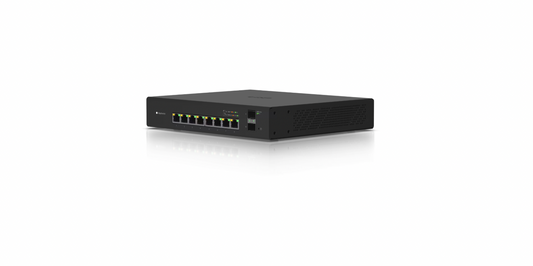
Ubiquiti EdgeSwitch 8 PoE (ES-8-150W)
Regular price $228.99 USDRegular priceUnit price per -
Hikvision 24-Port Gigabit PoE Unmanaged Switch 370W DS-3E0526P-E
Regular price $251.99 USDRegular priceUnit price per$399.99 USDSale price $251.99 USDSold out -
Netgear AV Line M4350-40X4C Ethernet Switch - XSM4344C-100NES
Regular price $11,999.99 USDRegular priceUnit price per -
Netgear AV Line M4350-24X4V Ethernet Switch - XSM4328CV-100NES
Regular price $4,368.99 USDRegular priceUnit price per -
ZYXEL XS1930-12HP 10-Port 10G Multi-Gigabit L3 Smart Nebula Cloud Managed Switch with 2 10G SFP+ Uplinks | 8 PoE+ / PoE++ at 375W - XS1930-12HP
Regular price $740.99 USDRegular priceUnit price per -
ZYXEL XMG1930-30HP 24-Port 2.5G Multi-Gigabit L3 Smart Nebula Cloud Managed PoE Switch with 2 10G SFP+ Uplinks and 4 10G Ethernet | 28 PoE+ / PoE++ Ports at 700W - XMG1930-30HP
Regular price $1,319.99 USDRegular priceUnit price per -
ZYXEL XMG1915-18EP 16-Port 2.5G Multi-Gigabit Smart Nebula Cloud Managed PoE Switch with 2 10G SFP+ Uplinks | 8 PoE+ / PoE++ Ports at 180W | Fanless - XMG1915-18EP
Regular price $472.99 USDRegular priceUnit price per -
ZYXEL 24-port GbE PoE Lite-L3 Smart Managed Switch with 4 10G Uplink - XGS1935-28HP
Regular price $507.99 USDRegular priceUnit price per -
Ubiquiti Ultra USW-ULTRA-60W Ethernet Switch - USW-ULTRA-60W
Regular price $180.99 USDRegular priceUnit price per -
8 Ports - Manageable - Gigabit Ethernet - 1000Base-T - 2 Layer Supported - 9 W Power Consumption - 42 W PoE Budget - Twisted Pair - PoE Ports - Wall Mountable - USW-Ultra
Regular price $151.99 USDRegular priceUnit price per -
Ubiquiti Pro XG Ethernet Switch - USW-Pro-XG-10-PoE
Regular price $827.99 USDRegular priceUnit price per -
Ubiquiti Pro Max 48 PoE - USW-Pro-Max-48-PoE
Regular price $1,472.99 USDRegular priceUnit price per -
Ubiquiti Pro Max Layer 3 Switch - USW-PRO-MAX-16-POE
Regular price $461.99 USDRegular priceUnit price per -
Ubiquiti USW-ENT-24-POE | 24-Port Enterprise Layer 3 PoE+ Switch with 2.5GbE & 10G SFP+
Regular price $894.99 USDRegular priceUnit price per$999.99 USDSale price $894.99 USDSold out -
Ubiquiti Pro HD Layer 3 Switch - USW-Pro-HD-24-PoE
Regular price $1,154.99 USDRegular priceUnit price per -
Ubiquiti Professional 8 PoE - USW-PRO-8-POE
Regular price $404.99 USDRegular priceUnit price per


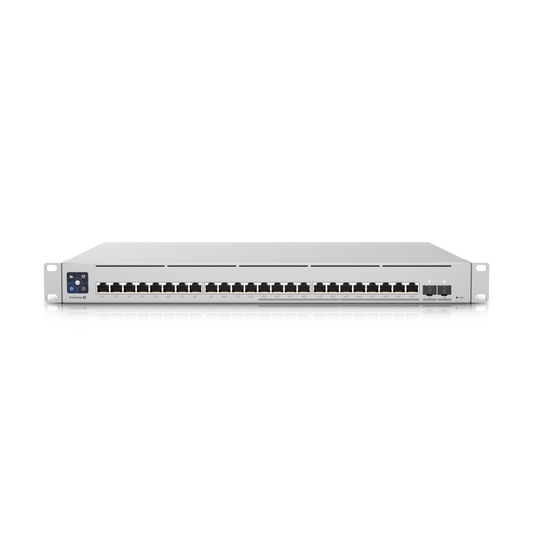


Power and Data Over a Single Ethernet Cable
PoE switches eliminate separate power adapters at every access point, camera, and VoIP phone by delivering power and data over a single Ethernet cable. Managed and unmanaged PoE models from Ubiquiti, HPE Aruba, Netgear, TRENDnet, and TP-Link cover port counts from 5 to 48 with PoE budgets from 65W to 740W+. Browse the full ethernet switches collection for every speed tier and management level.
PoE Switches for Every Environment
- Wireless access point rollouts — power ceiling-mount WiFi 6 and WiFi 7 APs with a single cable per device, eliminating the need for electrical outlets at every mounting location
- IP camera and surveillance systems — deliver power and video data to fixed and PTZ cameras across a building or campus without running separate power lines to each camera
- VoIP phone deployments — power desk phones across an entire office floor without individual power adapters, simplifying installation and reducing cable clutter at every desk
- Digital signage installations — feed power and content to wall-mounted displays in lobbies, hallways, and retail spaces where nearby outlets are unavailable
- Door access and intercom systems — power card readers, video intercoms, and smart locks over Ethernet for simplified wiring in security installations
Choosing the Right PoE Switch
PoE standard, total power budget, and management level are the three decisions that define every PoE switch purchase. 802.3af (PoE) delivers up to 15.4W per port for VoIP phones and basic devices. 802.3at (PoE+) provides up to 30W, covering most WiFi 6 access points and fixed cameras. 802.3bt (PoE++) pushes up to 60W or 90W for PTZ cameras, video conferencing endpoints, and outdoor access points with built-in heaters. The total PoE budget is the maximum combined wattage the switch can deliver across all ports simultaneously. A 24-port PoE+ switch might have a 370W budget, meaning it can power all 24 ports at 15W each but only 12 ports at the full 30W.
Managed vs. Unmanaged PoE
Managed PoE switches add VLAN segmentation, QoS prioritization, and per-port power scheduling on top of power delivery. This lets you isolate camera traffic from office data, prioritize VoIP packets, and schedule PoE power to reboot access points overnight. Unmanaged PoE switches deliver plug-and-play simplicity for small installations where traffic control is unnecessary. For single-device power needs without a full switch, a standalone PoE injector provides an alternative.
Complete Your Network
- Managed Switches — VLAN, QoS, and SNMP control for enterprise traffic management alongside PoE delivery
- Unmanaged Switches — zero-configuration Gigabit switches for simple expansions without power delivery
- WiFi 6 Access Points — 802.11ax wireless APs designed for PoE-powered ceiling-mount deployment
- WiFi 7 Access Points — next-generation wireless with tri-band radios requiring PoE+ or PoE++ power
- IP Cameras — surveillance cameras powered and connected through PoE infrastructure