
-
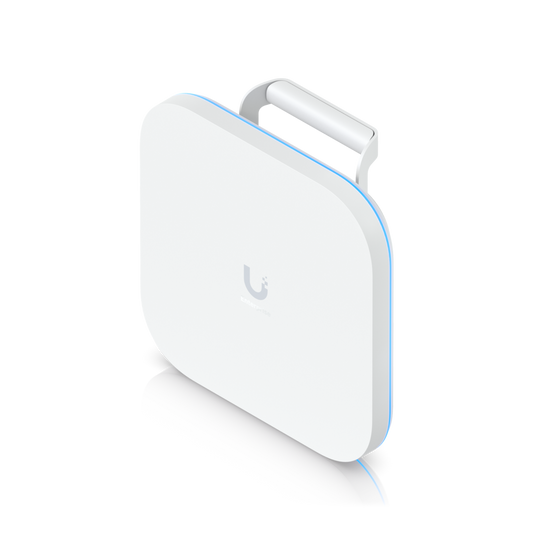
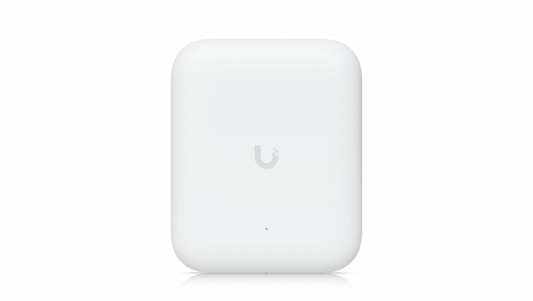
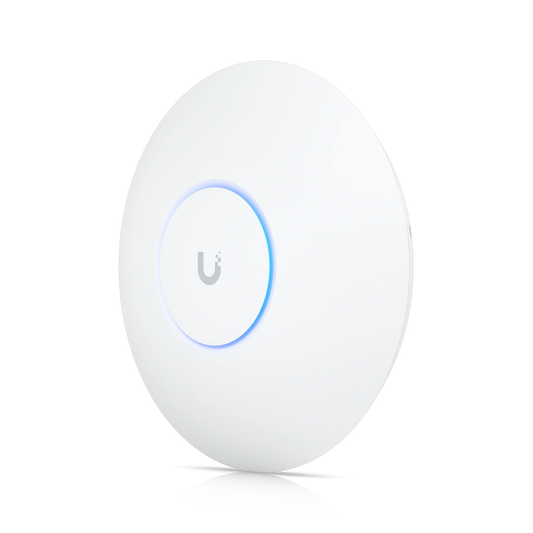
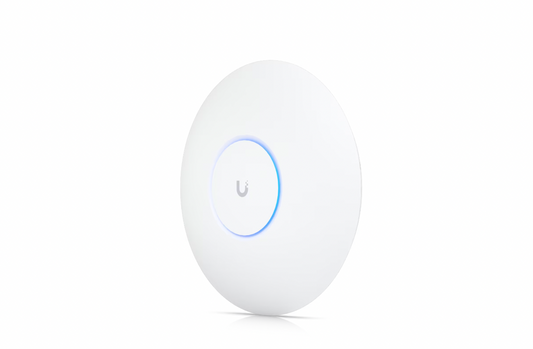
Ubiquiti Enterprise E7 WiFi 7 Access Point
Regular price $499.99 USDRegular priceUnit price per$519.99 USDSale price $499.99 USDSale -
Ubiquiti E7-Campus Enterprise WiFi 7 Access Point with 10 GbE Uplink
Regular price $799.00 USDRegular priceUnit price per$849.99 USDSale price $799.00 USDSale -
Ubiquiti WiFi 7 Long-Range Access Point
Regular price $169.99 USDRegular priceUnit price per -
 Sale
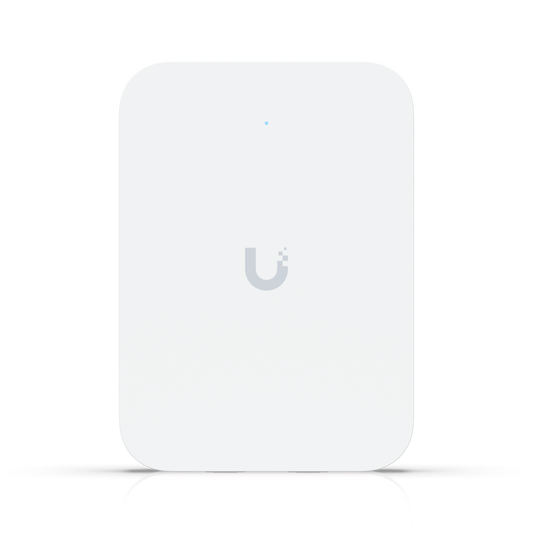
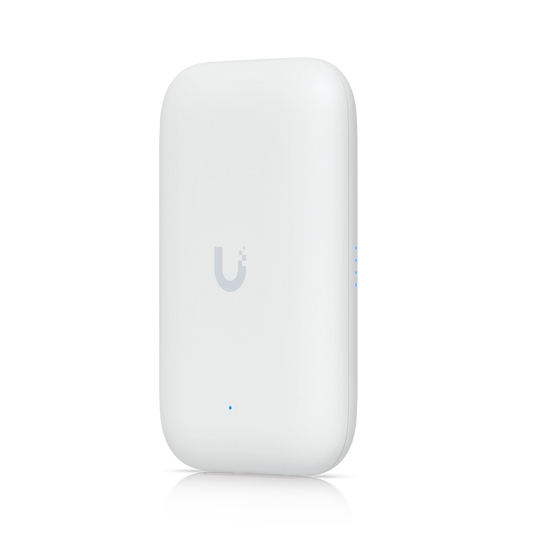
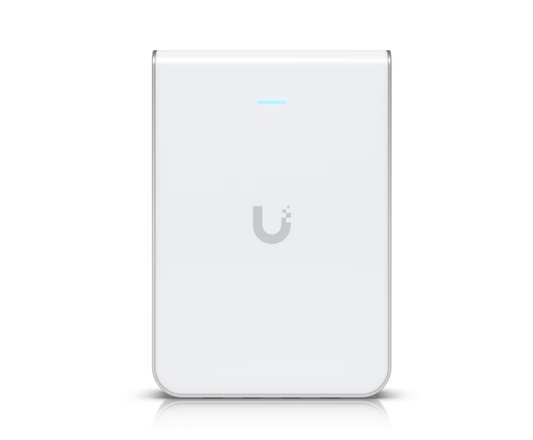
SaleUbiquiti U7 In-Wall
Regular price $174.99 USDRegular priceUnit price per$199.99 USDSale price $174.99 USDSale -
Ubiquiti U7 Pro Outdoor WiFi 7 Access Point with Directional Super Antenna
Regular price $319.99 USDRegular priceUnit price per -
Ubiquiti UniFi Swiss Army Knife Ultra Access Point (UK-Ultra)
Regular price $107.99 USDRegular priceUnit price per$139.99 USDSale price $107.99 USDSale -
 Sold out
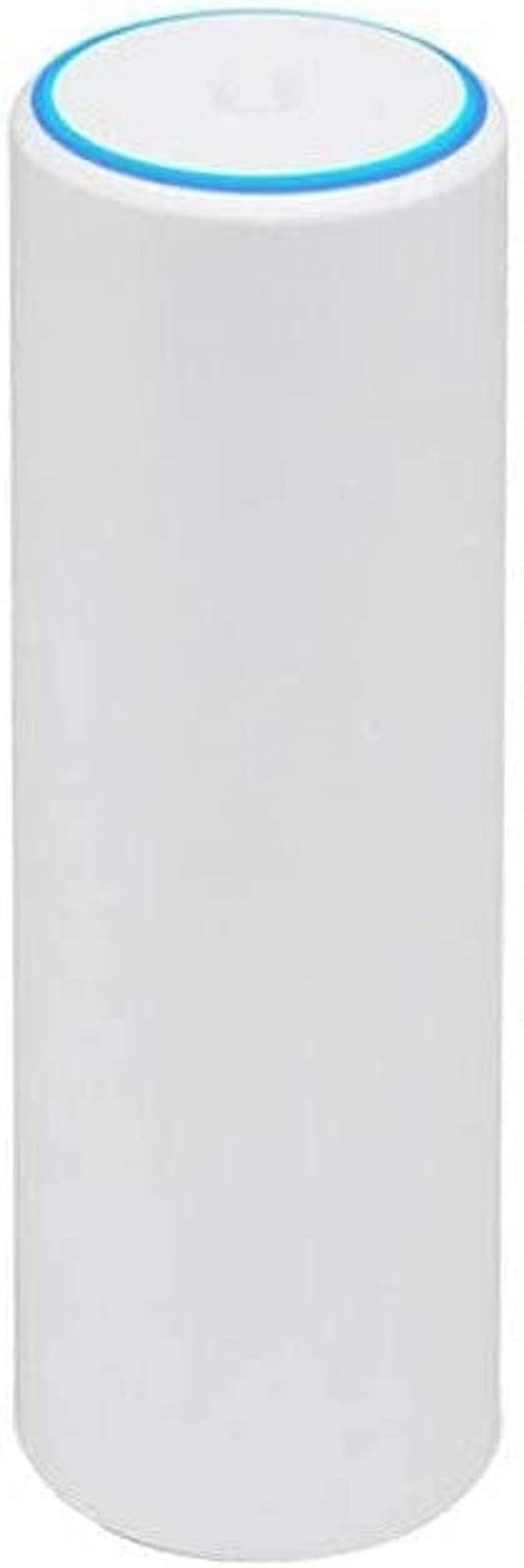
Ubiquiti | Access Point FlexHD
Regular price $169.99 USDRegular priceUnit price per$199.99 USDSale price $169.99 USDSold out -
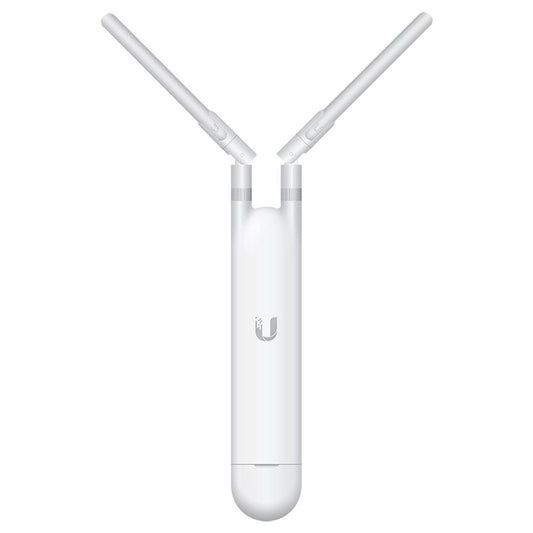
Ubiquiti | UniFi Access Point Mesh Outdoor
Regular price $104.99 USDRegular priceUnit price per$129.99 USDSale price $104.99 USDSale -
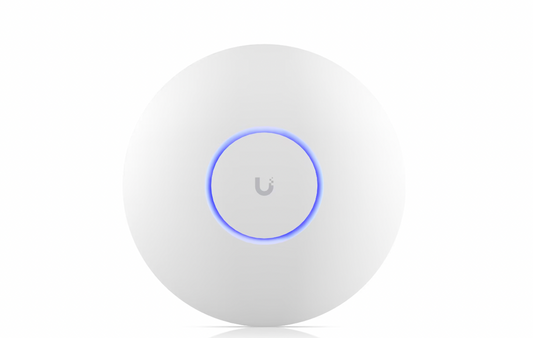
Ubiquiti | Access Point WiFi 7 Pro Max
Regular price $299.99 USDRegular priceUnit price per$319.99 USDSale price $299.99 USDSale -
Ubiquiti U6 Enterprise Access Point
Regular price $309.99 USDRegular priceUnit price per$359.99 USDSale price $309.99 USDSale -
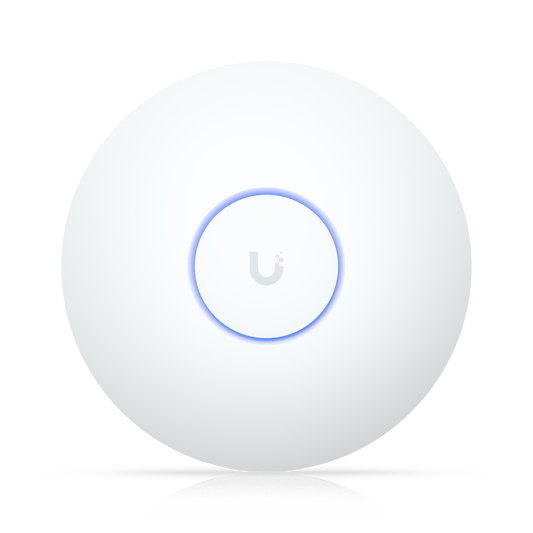
Ubiquiti | Access Point WiFi 6 Pro Indoor
Regular price $184.99 USDRegular priceUnit price per$214.99 USDSale price $184.99 USDSale -
Ubiquiti Access Point U6 WiFi 6 High-Capacity Indoor Wall Mount
Regular price $399.99 USDRegular priceUnit price per$449.99 USDSale price $399.99 USDSale

High-Density WiFi for Business, Campus & Hospitality
Island Electrical Supply stocks wireless access points from Ubiquiti, HPE Aruba, SonicWall, Cisco, and TP-Link. From WiFi 6 to the latest WiFi 7 models, our access points deliver high-density connectivity for demanding environments.
Best for: Businesses, schools, and property managers deploying reliable WiFi coverage across offices, campuses, and multi-dwelling units.
Access Points by Brand
Each manufacturer brings unique strengths to wireless networking:
- UniFi Access Points with centralized cloud management and zero licensing fees
- HPE Aruba Access Points for enterprise-grade 802.11ax and AI-powered network optimization
- SonicWall Access Points with integrated wireless security and firewall pairing
- Cisco, TP-Link, and ZyXEL access points for every budget tier
Shop by Environment
Choose the right access point for your deployment location:
- Indoor Access Points with ceiling-mount and wall-mount options for offices, classrooms, and hotels
- Outdoor Access Points with weatherproof IP66/IP67 enclosures for campuses, parking lots, and stadiums
Shop by WiFi Standard
Select the wireless generation that matches your performance needs:
- WiFi 6 (802.11ax) for proven high-density performance with OFDMA and BSS Coloring at a competitive price
- WiFi 7 (802.11be) for next-gen multi-gigabit speeds with 320 MHz channels and Multi-Link Operation
Complete Your Wireless Deployment
Pair your access points with the right infrastructure:
- PoE Switches to power access points over ethernet without separate power cables
- PoE Injectors for single-device installations where a PoE switch is not needed
- Ethernet Switches for wired backbone and uplink connectivity
- Network Firewalls for integrated security at the network edge
- All Networking Equipment — switches, APs, firewalls, and more
Qualifying orders ship free. Contact our team for expert guidance on access point placement and volume pricing.
Frequently Asked Questions
What is the difference between a WiFi access point and a router?
A router connects your network to the internet and assigns IP addresses. An access point connects to a router or switch via ethernet and creates a wireless network for client devices. Businesses typically use a dedicated router or firewall for internet connectivity and separate access points for WiFi coverage.
How many access points do I need?
Plan for one access point per 1,500 to 2,500 square feet of indoor space, depending on wall materials and client density. Open offices may cover more area per AP, while concrete or brick buildings need more. Use a site survey tool from your chosen manufacturer for an accurate count.
Do access points require PoE?
Most commercial access points are powered by PoE (Power over Ethernet), which means they receive power through the same ethernet cable that carries data. You will need a PoE switch or PoE injector to power them. Check whether each AP requires 802.3af (15.4W), 802.3at (30W), or 802.3bt (60W+) PoE.