
-
Potter PFC-6006 Conventional Fire Alarm Control Panel - 6 Zone, Dual-Line DACT, 120VAC, UL Listed
Regular price $535.99 USDRegular priceUnit price per -
Potter RA-6500 Fire Alarm Annunciator - 160 Character LCD, RS-485, PFC-6000 Compatible, Red
Regular price $588.99 USDRegular priceUnit price per$649.99 USDSale price $588.99 USDSale -
Silent Knight 5860R Remote LCD Annunciator - 80 Character Display, IntelliKnight Compatible, RS-485, Red
Regular price $612.99 USDRegular priceUnit price per$729.99 USDSale price $612.99 USDSale -
Smoke Detector Tester – 2.5 oz Aerosol
Regular price $18.99 USDRegular priceUnit price per$29.99 USDSale price $18.99 USDSale -
Potter PAD100-RM Addressable Fire Alarm Relay Module - Form C Contact, Single SLC Address, IPA Compatible
Regular price $91.99 USDRegular priceUnit price per$119.99 USDSale price $91.99 USDSale -

Potter PAM-1 Multi-Voltage Relay Module - 10A SPDT, 24VAC/24VDC/120VAC, Encapsulated, UL Recognized
Regular price $24.99 USDRegular priceUnit price per$34.99 USDSale price $24.99 USDSale -
System Sensor CO1224T Carbon Monoxide Detector
Regular price $95.99 USDRegular priceUnit price per$139.99 USDSale price $95.99 USDSale -
PAD100-MIM Micro Input Module
Regular price $65.99 USDRegular priceUnit price per$79.99 USDSale price $65.99 USDSale -
Potter PAD100-SIM Addressable Fire Alarm Monitor Module - Single Class B Input, Single SLC Address, IPA Compatible
Regular price $74.99 USDRegular priceUnit price per$99.99 USDSale price $74.99 USDSale -
Potter PAD300-PD Analog Addressable Photoelectric Smoke Detector
Regular price $73.99 USDRegular priceUnit price per$99.99 USDSale price $73.99 USDSale -
System Sensor CS-24W White Ceiling-Mount Horn/Strobe
Regular price $66.99 USDRegular priceUnit price per$79.99 USDSale price $66.99 USDSale -
System Sensor P2RLED L-Series Horn Strobe - LED, 2-Wire, Selectable Candela, 88dBA, 24VDC Wall Mount, Red
Regular price $81.99 USDRegular priceUnit price per$99.99 USDSale price $81.99 USDSale -
System Sensor PC2WLED L-Series White Ceiling-Mount 2-Wire Horn Strobe with LED
Regular price $77.99 USDRegular priceUnit price per$99.99 USDSale price $77.99 USDSale -
Potter PAD100-DIM Addressable Dual Input Fire Alarm Module - 2 Class B or 1 Class A, Single SLC Address
Regular price $120.99 USDRegular priceUnit price per$149.99 USDSale price $120.99 USDSale -
Fire-Lite SD365 Addressable Photoelectric Commercial Smoke Detector - Intelligent, Walk Test, Interchangeable Bases, UL Listed
Regular price $116.99 USDRegular priceUnit price per$139.99 USDSale price $116.99 USDSale -

Potter PAD100-PSDA Addressable Fire Alarm Pull Station - Dual Action, Die-Cast Metal, UUKL Listed
Regular price $132.99 USDRegular priceUnit price per$169.99 USDSale price $132.99 USDSale -
NAPCO FW-2S 2-Wire Photoelectric Smoke Detector - Low Profile 1.8", Built-In Sounder, UL Listed, NFPA 72
Regular price $32.99 USDRegular priceUnit price per$64.99 USDSale price $32.99 USDSale -
Potter PAD100-CD Analog Addressable CO Detector
Regular price $88.99 USDRegular priceUnit price per$139.99 USDSale price $88.99 USDSale -
Photoelectric Smoke/CO Detector PAD300-PCD
Regular price $160.99 USDRegular priceUnit price per -
2GIG GB1e Glass Break Sensor - Encrypted 345 MHz, 15ft Range, 360-Degree Detection, eSeries Compatible
Regular price $69.99 USDRegular priceUnit price per$99.99 USDSale price $69.99 USDSale -

Potter HS-24WR Horn Strobe - Selectable 15-110 Candela, 6 Tones, 24VDC Wall Mount, Red, UL Listed
Regular price $65.99 USDRegular priceUnit price per$89.99 USDSale price $65.99 USDSold out -

Potter HS-24PWR-WP Outdoor Horn Strobe - 75cd, 100dB, Weatherproof, 24VDC Wall Mount, UL Listed
Regular price $114.99 USDRegular priceUnit price per$139.99 USDSale price $114.99 USDSold out -
System Sensor PC2RLED L-Series 2-Wire LED Ceiling Horn Strobe
Regular price $81.99 USDRegular priceUnit price per$99.99 USDSale price $81.99 USDSold out -
 Sold out
Potter Retrofit Ball Valve Switch
Regular price $242.99 USDRegular priceUnit price per$299.99 USDSale price $242.99 USDSold out -
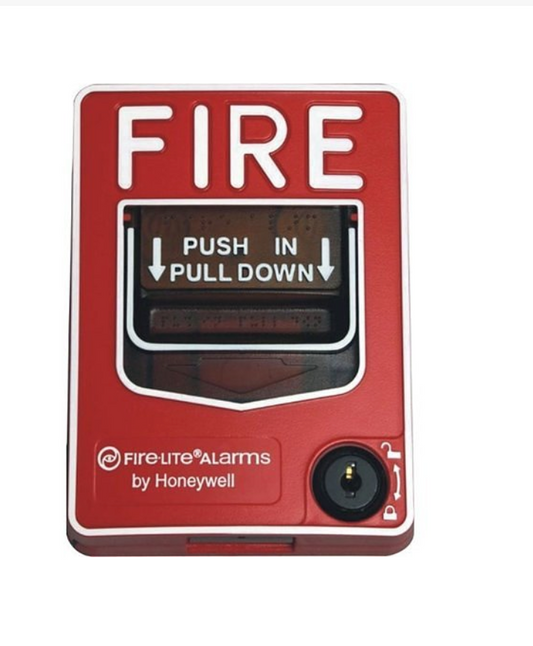
FireLite BG-12LX Addressable Pull Station
Regular price $137.99 USDRegular priceUnit price per
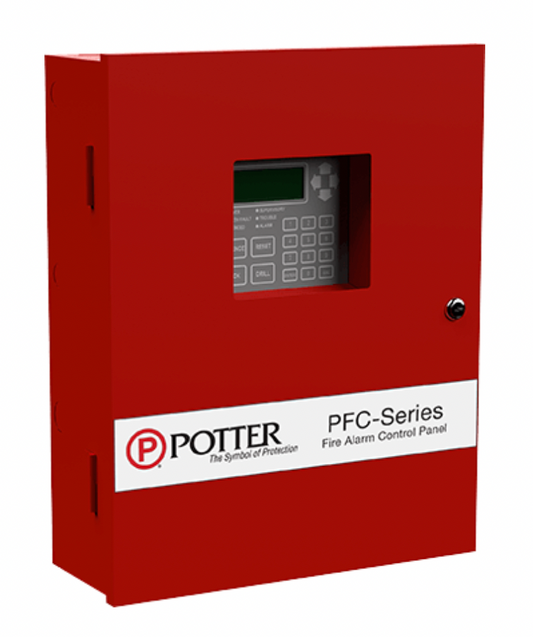
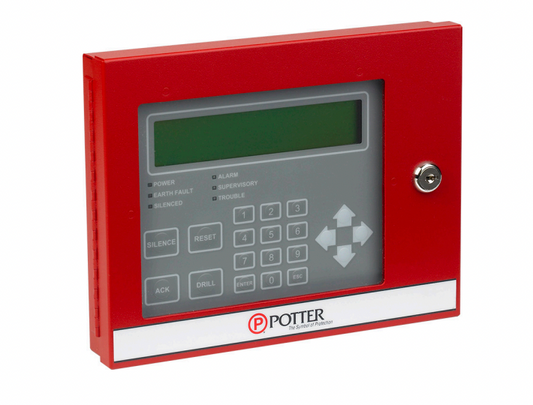


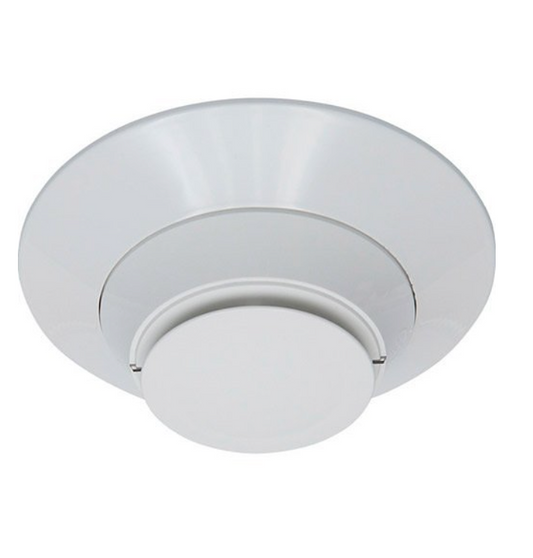


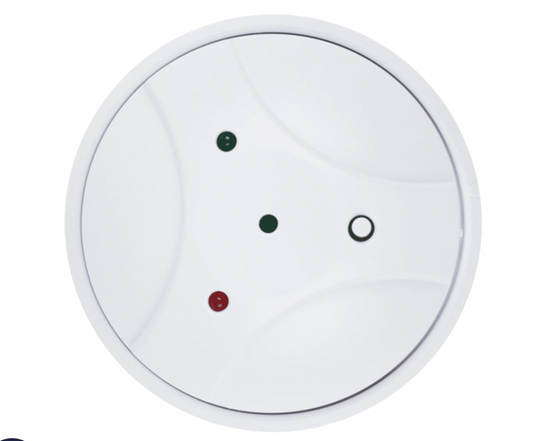


Commercial Fire Alarm Panels, Detectors, and Notification Devices
Fire alarm systems protect commercial buildings with control panels, smoke detectors, heat detectors, carbon monoxide sensors, horn/strobe notification appliances, pull stations, and annunciators that meet NFPA 72 requirements. The lineup from Potter, System Sensor, FireLite, Silent Knight, and Napco covers conventional and addressable architectures for every building size, all part of the security and surveillance catalog.
Fire Alarm Systems for Every Environment
- Small commercial buildings — conventional fire alarm panels with zone-based detection for offices, retail spaces, and restaurants under 10,000 square feet
- Multi-story commercial and institutional — addressable systems with point-level device identification for faster troubleshooting across large and complex floor plans
- Schools and healthcare facilities — dual-action pull stations reducing false alarms in high-traffic areas, combined with code-compliant horn/strobe notification
- Warehouses and industrial spaces — heat detectors and rate-of-rise sensors for environments where dust, fumes, or temperature fluctuations cause false smoke alarms
- Multi-building campuses — remote annunciators extending system status visibility to lobbies, guard stations, and fire command centers in separate buildings
Choosing the Right Fire Alarm System
Designing a fire alarm system starts with the building's occupancy classification, square footage, and authority having jurisdiction (AHJ) requirements. Every component must carry a UL listing matching its intended application, and the overall design must comply with NFPA 72. Potter, FireLite, and Napco panels anchor the system, with System Sensor and Potter notification appliances delivering the audible and visual alerts required by code. Conventional panels group devices into zones, identifying which zone activated but not the specific device. Addressable systems assign a unique address to every device, providing exact identification for faster troubleshooting and maintenance.
Conventional vs. Addressable Architecture
Conventional panels are practical and cost-effective for smaller buildings with simple layouts where zone-level identification is sufficient. Addressable systems pay for themselves in larger facilities and multi-story buildings where pinpointing the exact device that triggered speeds response times and reduces diagnostic costs. Addressable modules like Potter's PAD100 series provide point-level identification with single-input, relay, and dual-input options for mapping devices across complex floor plans.
Complete Your Life-Safety Installation
- Door Hardware and Exit Devices — magnetic door holders that release fire doors automatically on alarm activation
- Access Control Systems — credential readers and access hubs that integrate with fire alarm panels for emergency egress
- Security Cameras — IP cameras providing visual verification of alarm events and evacuation monitoring
- Intercoms and Door Entry — intercom systems for emergency communication during fire events